A Review of the Green Clover Flowers Embroidery Design
When an embroidery design comes across my desk, I’m always thinking about its real-world application—how it will stitch out, where it will look best, and whether it will resonate with clients or customers. Today, I’m looking at the Trio of Green Clover Flowers on a Stem Embroidery Design. This isn't just about a pretty graphic; it’s about assessing a tool for our craft business, for our handmade products, and for our client projects.
The First Impression: Quiet Charm Over Loud Celebration
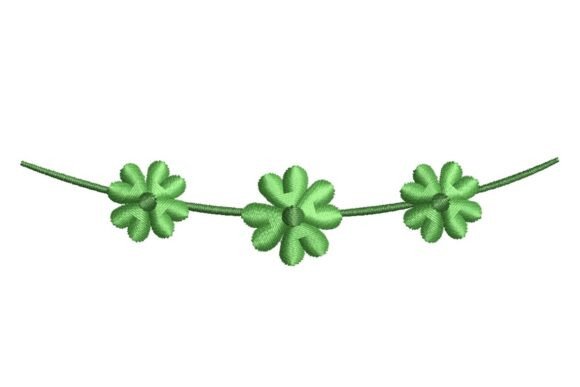
The immediate feeling I get from this design is one of gentle, stylized charm. It doesn’t shout "St Patrick’s Day" in a stereotypical way. Instead, it offers three soft, textured blooms along a delicate, curving stem. The layout is simple and balanced, creating a sense of peaceful growth. This personality makes it versatile. It could be a subtle nod to the holiday on a kitchen towel, or simply a lovely botanical accent on a spring tote bag for a boutique. It feels more like an illustrative motif than a festive logo, which opens up its use beyond a single seasonal event.
Where This Design Finds Its Perfect Home
I picture this design excelling on items where subtlety and craftsmanship are valued. Imagine a custom linen pillow cover in a nursery or a wedding gift—the soft green flowers would add a touch of handmade elegance without overwhelming the piece. For small business owners, this is a strong candidate for a signature detail on custom apparel like the cuff of a sweatshirt or the pocket of a light denim jacket. The flowing stem lends itself beautifully to longer, narrow items, such as along the strap of a canvas tote bag or as a delicate accent on a tea towel’s border.
As an embroidered patch, it would carry a refined, almost vintage feel, appealing to customers looking for something unique. For Etsy sellers creating personalized gifts, stitching this onto a baby’s organic cotton blanket or a chef’s apron could elevate a simple product into a special, thoughtful item. The design’s clean lines and moderate detail level suggest it will stitch clearly on a variety of fabrics, from cotton to linen, making it a reliable choice for diverse craft business projects.
Practical Considerations for Stitching Success
While the design appears straightforward, successful application always depends on thoughtful preparation. The slender stem and individual flower petals mean attention to hoop size and stabilizer is key. On very textured fabrics like thick towels or loosely woven blankets, those fine lines might lose clarity. I would always advise testing on a scrap first. For dark fabric, check the provided thread color suggestions—a light green may need a slight adjustment or a denser stitch density to stand out with proper contrast.
This design seems ideal for a mid-range hoop. Attempting it on a very small hoop for a tiny corner of a cap might compress the details too much, losing the graceful spacing between the flowers. Conversely, it’s probably not a design meant to dominate a large area; its charm lies in its modest scale. For projects like baby embroidery on delicate knits, or on stretchy fabric like t-shirt sleeves, using the correct stabilizer is non-negotiable to prevent distortion of that curving stem.
A Real Scenario: Preparing a Boutique Tote Bag
Let’s walk through a real case. I’m considering this for a line of spring tote bags for my small shop. I want a design that feels fresh and handmade, not mass-produced. The Trio of Green Clover Flowers on a Stem feels right. I would stitch it along the bottom corner of the bag’s front panel. The curve of the stem would follow the bag’s shape nicely. In my mind, I see it stitched out in a slightly variegated green thread to enhance that textured look mentioned in the description. The final product would feel artisan-made, increasing its perceived value and customer trust in my brand’s attention to detail. It’s a design that supports brand consistency if I’m aiming for a natural, gentle aesthetic.
How This Design Impacts Your Business and Craft
From a commercial perspective, a design like this adds to professionalism. It’s not overly casual or cartoonish. When customers browse your Etsy listings or see your products at a craft fair, a well-executed, tasteful embroidery design like this signals quality. It enhances giftability—the item feels special. For apparel decorators, it offers a way to provide a client with a unique, understated logo or personalization that isn’t a standard block letter.
Its recognition factor is tied to its beauty more than an obvious holiday symbol, which can be a strength. It engages buyers who appreciate subtle design. However, this also means you should consider your audience. If you’re targeting clear, bold holiday merchandise for St Patrick’s Day, this might be too soft. It’s perfect for the customer who prefers timeless motifs over overtly thematic ones.
Essential Notes Before You Start Stitching
Before you commit this design to a final project, run through this quick checklist. First, always test the design on scrap fabric identical to your project fabric. This reveals how the stitch density behaves and whether any small details, like the flower centers, stitch out cleanly. Second, check thread color contrast against your final background. View the design in a black and white mockup to assess its form without color; a strong form holds up on any background.
Third, confirm the technical details that were not provided in the initial description I reviewed. You must check the specific hoop size requirements, file formats, and stitch count from the actual product listing. Fourth, and critically for digital product sellers and commercial users, confirm licensing before selling finished items or using the file as a commercial design asset. Understand if it’s for personal use only or licensed for commercial embroidery. This due diligence protects your business and respects the designer’s work.
Finally, think about presentation. For printable mockups or digital previews in your shop, this design will look elegant and clean, helping visualize the final finished product. It’s a machine embroidery design that, when applied thoughtfully, becomes more than just an embroidery file—it becomes the heart of a beautiful, handmade product.