A Review of the Waving Snowman Embroidery Design
As someone who stitches designs for clients and my own shop constantly, I have a simple rule: a design needs to look good on a screen and feel great on fabric. Today, I’m thinking through the Cute Waving Snowman with Green Hat Embroidery Design from that practical perspective. Let’s imagine I’ve purchased this digital embroidery file and am preparing to use it for a batch of custom holiday tote bags for a boutique client.
First Impression: Cheerful and Immediately Recognizable
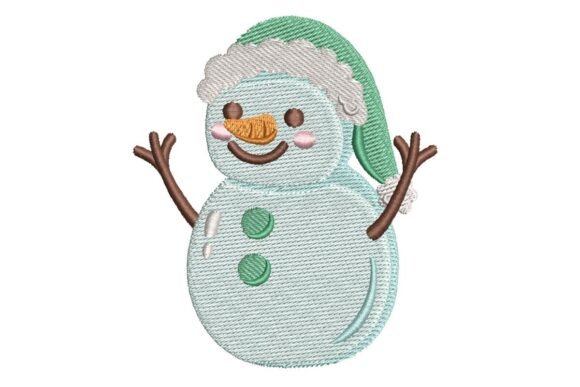
The mood here is pure, friendly winter charm. The two-tiered body shape is classic and stable, which is excellent for embroidery—it won’t feel awkward or unbalanced on a product. That waving gesture is the key; it’s an active, engaging detail that turns a static snowman into a character. The described textured light blue or aqua body with lighter outlines suggests the design uses fill stitches cleverly to create dimension, which should translate nicely to fabric, avoiding a flat, cartoonish look. The orange face details (I assume a carrot nose and perhaps some cheek color) and the green hat give it a pop of color against the winter blues. My immediate thought is that this design belongs on items meant to evoke warmth and nostalgia: holiday gifts, family kitchen towels, or baby’s winter apparel.
Where This Snowman Shines in Real Projects
This isn’t a highly dense, intricate piece, which is actually a benefit for many real-life embroidery situations. I envision it performing beautifully on medium-weight fabrics.
- Sweatshirts and Hoodies: On the left chest or sleeve, its cheerful size would be perfect. The color palette would stand out well against heather grays or creams.
- Tote Bags and Tea Towels: For my hypothetical boutique order, these are ideal canvases. The design offers a clear focal point without being overwhelmingly large.
- Baby Items and Nursery Decor: On a blanket or a little sweater, the friendly waving motion and soft colors create a gentle, festive theme.
- Embroidered Patches: This design could be stitched onto a patch backing wonderfully, making it a versatile product for craft fairs—a standalone embroidered patch that customers could apply anywhere.
- Pillow Covers and Aprons: As a decorative accent for a seasonal home product or a festive kitchen apron, it adds personality without overpowering the item.
For Etsy sellers and small shop owners, this design boosts visual appeal because it’s instantly understandable and emotive. That clarity builds customer trust; they can immediately see the quality and theme of your handmade product. It’s highly giftable, and for personalized gifts, adding a name above or below the snowman would integrate seamlessly.
A Note on Professional Presentation
Using a design like this consistently across a product line—say, on totes, towels, and caps—creates strong brand consistency for a seasonal shop collection. The professionalism comes from the execution: clean stitches, good color choices, and appropriate placement.
Considerations for Careful Application
While the design seems adaptable, some scenarios require extra thought.
- Very Small Hoop Sizes: If you’re trying to shrink it down for a hat’s curved surface or a tiny baby sock, those subtle lighter blue outlines and facial details might lose clarity. Always test on scrap fabric first at your intended size.
- Textured or Stretchy Fabrics: On a loose knit sweater, the fill stitches for the body might require extra stabilizer to prevent puckering. The waving arm’s outline would need to be crisp.
- Dark Fabric Backgrounds: The described light blue body and orange accents would need excellent thread color contrast on navy or black. You might need to adjust some colors for optimal pop.
- Products for Frequent Washing: On kitchen towels or baby clothes, ensure the stitch density is not too high in the snowman’s body, as overly dense fills can feel stiff and wear differently. Again, a test stitch is your best friend here.
This is where the practical review happens. Before committing to a client’s order of fifty tote bags, I would stitch this machine embroidery design on a scrap of my bag material. I’d check the actual thread colors against the preview, inspect how the lighter blue outlines render, and see if any tiny details (like perhaps eyes or smile lines) become muddled.
Designer Notes for a Successful Project
Here’s my mental checklist for using this embroidery file in commercial or personal projects.
- Always Start with a Test: Run the design on a scrap of your final project fabric. This reveals everything: actual size, thread consumption, and how the textures look.
- Evaluate Color Contrast: View the design in a black-and-white mockup to check value contrast, especially if you plan to use it on varied fabric colors.
- Confirm Your Hoop Size: While the design likely comes in multiple sizes, ensure your machine’s hoop can accommodate the version you want for your specific product.
- Stabilizer is Key: For apparel or bags, choose a stabilizer that matches the fabric weight and stretch to keep that cheerful shape crisp.
- Check Licensing for Commercial Use: Before selling the finished tote bags or patches, confirm the design’s license allows for commercial embroidery of physical products. This is crucial for digital product sellers and craft businesses.
- Think Beyond Winter: While it’s a winter embroidery design, its cheerful character could work for general “cold weather” themes or non-holiday winter merchandise.
The Cute Waving Snowman with Green Hat Embroidery Design strikes me as a reliable, charming asset. Its success on a real product hinges not on its digital prettiness, but on your preparation as the embroiderer. For the boutique tote bags, my judgment is positive: with a proper test stitch and the right materials, it will produce a finished product that feels handmade, professional, and genuinely warm—a product that customers will connect with immediately. That’s the real value of a good embroidery design.