Colorful Daisies: A Designer's Hands-On Review
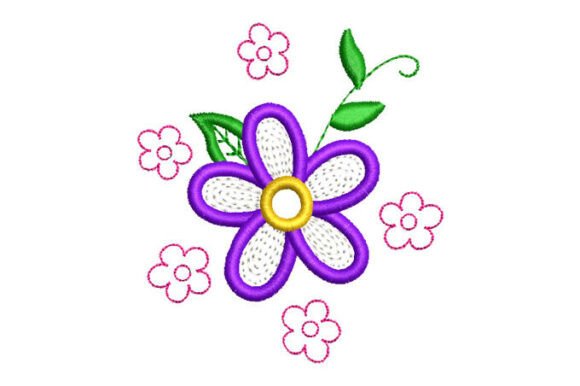
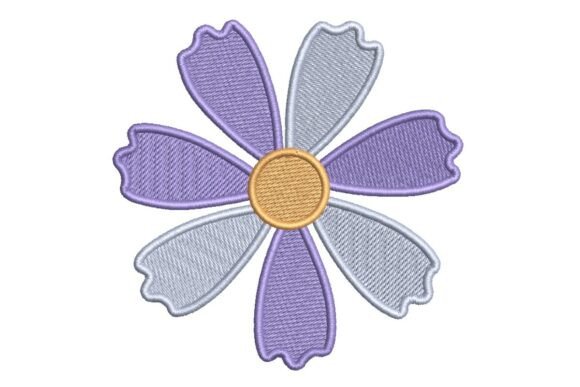
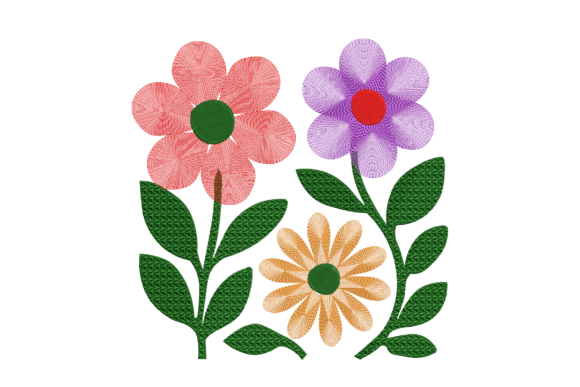
As a designer who works with embroidery files daily for client projects and my own small shop, my first question about any new design is simple: will it stitch out beautifully and feel right on a real product? When I opened the Colorful Daisies Embroidery Design, my immediate impression was one of cheerful, timeless charm. This isn’t a overly complex botanical study; it’s a friendly, approachable floral motif with a personality that leans towards playful elegance. The layout feels balanced, and the level of detail suggests it will translate well into stitches without becoming a dense, time-consuming project.
The Mood It Creates & Where It Naturally Belongs
This design evokes a bright, sunny mood. It’s not formal or minimalist; it’s a burst of color and organic shape. That tells me it naturally belongs on products meant to feel personal, giftable, and lighthearted. I pictured it instantly on a spring tote bag, a child’s sweatshirt, or a cheerful kitchen towel. It has the kind of visual appeal that works for handmade presentation, making a product feel special without being fussy. For craft businesses and Etsy sellers, that’s a valuable asset—a design that communicates warmth and craftsmanship at a glance.
Real-Life Embroidery: From Tote Bags to Baby Blankets
Let’s walk through a real scenario. I’m preparing a custom embroidered tote bag as a personalized gift for a client. My goal is a finished product that looks professional, washes well, and delights the recipient. Using the Colorful Daisies design here makes perfect sense. The scale is likely suitable for a bag’s panel, and the colorful, floral theme elevates a simple canvas bag into a boutique-style product. Similarly, appliquing it onto a baby blanket or stitching it onto a cotton apron creates a focal point that feels handmade and thoughtful.
For commercial embroidery projects or small shop merchandise, this design offers versatility. It could anchor a line of spring-themed products—pillow covers, tea towels, or lightweight scarves. In printable mockups for digital product sellers, it would showcase well as a clean, attractive graphic. The key is its adaptability across different product types while maintaining its core, friendly personality.
Performance on Fabric: The Practical Considerations
How will this machine embroidery design perform when the needle hits the fabric? Based on its apparent structure, I’d expect areas of satin stitch for petals and fill stitch for centers, creating a nice texture contrast. However, stitch density is always a critical factor. On textured fabrics like a sweatshirt or a loosely woven linen, a design with very dense fills can puckering. On thin or stretchy fabrics like a t-shirt, it requires careful stabilizer choice and possibly a lighter stitch setting to prevent distortion.
Where should you use this design carefully? If the file contains very small, intricate details, they might get lost on a highly textured fabric or a dark background without excellent thread color contrast. Embroidering on curved surfaces like caps requires checking the design’s orientation and size to ensure it fits the available hoop area comfortably. For products destined for frequent washing, like baby clothes or kitchen linens, a robust, secure stitch construction is vital—something I always test on scrap fabric first.
Visual Appeal and Professional Value
A well-stitched Colorful Daisies design boosts a product’s perceived value. Clean stitching with good thread coverage makes a handmade item or custom apparel look professional, building customer trust. For a creative entrepreneur, using such a design consistently across a product line can aid brand consistency—it becomes a recognizable, signature touch. Its giftability is high; it feels personal and crafted, not mass-produced. This directly affects buyer engagement in an Etsy listing or at a craft fair—people connect with the cheerful, tangible artistry.
Essential Designer Notes Before You Stitch
Before loading this embroidery file onto your machine for a real project, here’s my standard practical checklist. These steps save time, materials, and ensure a fantastic finished product.
- Always test on scrap fabric first. Use the same fabric and stabilizer combination you plan for the final project. This reveals any issues with stitch density, tension, or hoop size.
- Check thread color contrast against your background. Run a test in both light and dark fabric mockups if possible. A colorful design can lose vibrancy on a dark ground if colors aren’t chosen thoughtfully.
- Inspect the small details. Look for any tiny elements or delicate running stitches that might need special attention during hooping or stitching.
- Confirm the licensing terms. Especially if you’re creating commercial embroidery products or selling finished items from your craft business. Ensure the digital embroidery file is cleared for your intended use.
- Use proper stabilizer. This is non-negotiable for achieving stitching clarity and preventing fabric distortion, particularly on apparel or stretchy materials.
Since the provided description doesn’t list exact stitch counts, specific hoop sizes, or file formats, I advise you to verify these technical details before purchase or use. Knowing the minimum recommended hoop size is crucial for planning your project layout, and confirming machine compatibility ensures a smooth workflow.
A Design for Makers and Entrepreneurs
Ultimately, the Colorful Daisies Embroidery Design strikes me as a solid, versatile digital asset. It fits into the workflow of a hobbyist making a holiday gift, an apparel decorator fulfilling a custom order, or a small business owner creating a new line of embroidered patches or tote bags. Its strength is its cheerful, classic floral aesthetic that, when stitched well, speaks directly to the care and skill of the maker. It’s a design that doesn’t just decorate a product; it enhances the story of something made with intention.