Halloween Spooky Goose: A Designer's Merch Review
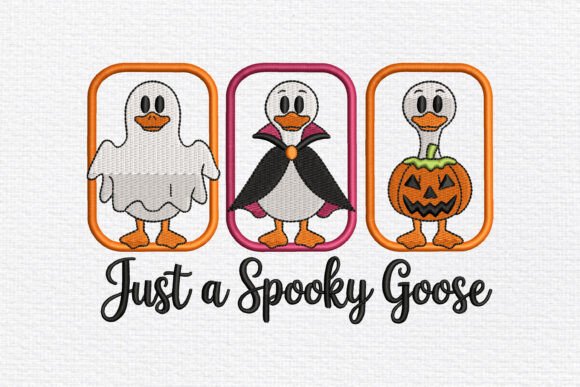
When a new embroidery file lands on my desktop, my first thought isn't about how cute it is; it's about how well it will perform on the production floor and translate into a credible branded product. The Halloween Spooky Goose Embroidery design presents an immediate, playful charm, but its real value for a business lies beneath that surface appeal. This review is from the perspective of an embroidery designer evaluating this file for small business merchandise, from patches to uniforms.
First Impressions: Visual Personality for Branding
The title suggests a specific vibe: spooky yet whimsical, anchored in the Animals category. For a business, this isn't just a decorative motif. It's a potential brand accent for a seasonal campaign, a staff uniform detail during October, or a limited-edition merchandise piece. The design leans into a friendly, playful, and slightly rustic handmade aesthetic. This makes it ideal for businesses wanting to appear approachable and creative—think a boutique, café, bakery, or pet brand looking for a Halloween-themed identity touch.
That "touch of fun and charm" mentioned in the description is the key. For small business merch, charm translates to customer engagement. This goose could become a recognizable symbol on an apron, making a staff member instantly part of the seasonal story, or on a tote bag sold as a customer gift.
Performance in Real Business Applications
The true test of any machine embroidery design is its versatility across different products. Halloween Spooky Goose Embroidery has clear potential in several commercial embroidery scenarios.
Embroidered Patches for Branded Merchandise
As a standalone embroidered patch, this design could be excellent. Patches offer incredible flexibility: they can be heat-pressed onto custom apparel, tote bags, or even used as product packaging accents. For an Etsy seller or a craft business, creating a line of Halloween patches using this file could be a direct product line. However, its success hinges on how it scales down. A patch needs to retain clarity at smaller sizes—perfect for a sleeve detail or a small chest logo accent.
Uniforms & Workwear: Aprons, Caps, and Shirts
For apron embroidery or cap embroidery, the design's bold, likely outlined shape is promising. On an apron for a bakery or florist, it would add a thematic, professional touch without being overly corporate. On a cap, it could serve as a front logo for a local business's event merch. The stitch density and coverage are crucial here; a too-dense design on a cap's curved front can lead to puckering, and on a thin apron fabric, it might require the right stabilizer.
Tote Bags & Home Decor as Sellable Products
This is where the description's mention of home decor aligns perfectly with business use. A tote bag featuring this tote bag design becomes a sellable item, enhancing product value. For a handmade shop or creative studio, it adds a cohesive, handmade product feel. The design's charm can directly increase buyer engagement when seen on a finished product mockup.
Critical Considerations for Production Success
Moving from a digital embroidery file to a finished product requires careful planning. Here are practical designer notes for using this file for business.
Where to Use Carefully: Scaling & Fabric
Always test the design at the intended small patch size first. Tiny lettering or overly detailed outlines can get lost. Embroidering on curved surfaces like caps demands a test run. Consider fabric texture: a dense design on a textured towel (as suggested) will look different than on a smooth polo shirt. For dark uniforms or bags, thread color contrast is paramount—the spooky elements must stand out clearly.
Essential Pre-Production Checks
- Test in Black and White: Create a simple monochrome stitch-out to evaluate the structure and spacing without color distraction.
- Review Thread Colors: The chosen palette should work for your brand's seasonal colors and provide good contrast on your target fabrics.
- Confirm Hoop Size & Stabilizer: Match the design size to an appropriate hoop and use stabilizer suited for the final fabric (e.g., tear-away for shirts, cutaway for bags).
- Create a Printable Mockup: Before production, place the embroidery into a printable mockup of your apron, cap, or tote. This visual helps with client approval and ensures visual consistency with other design assets.
- Check Commercial Licensing: Before any commercial embroidery project, verify the license terms of the file to ensure you are cleared for business use.
Impact on Brand Identity & Professionalism
Incorporating Halloween Spooky Goose Embroidery into your business's visual language goes beyond decoration. It affects brand identity and customer perception.
A well-executed embroidery on a staff apron signals attention to detail and investment in presentation, boosting perceived professionalism. For a customer, a purchased tote bag with a clean, charming embroidered design feels more premium than a printed one, fostering customer trust. Consistency is key—using this design across your seasonal merchandise (patches, uniforms, bags) creates a cohesive brand story that aids recognition.
Ultimately, this design file is a tool. Its success in your small business merch lineup depends on treating it as a production asset, not just a cute graphic. By testing thoroughly, planning its application around your brand's needs, and ensuring high-quality stitch-outs, the Halloween Spooky Goose can become more than a delightful design; it can become a valuable part of your business's seasonal identity.