Rainbow Rain Cloud Embroidery: A Craft Fair Review
As an embroidery designer preparing for a weekend craft fair, every digital embroidery file I consider gets a real-world test. It's not just about whether a design is cute; it's about whether it will sell from a table display, look great in person, and be practical to produce in batches. Today, I'm reviewing the Rainbow Rain Cloud Embroidery Design for exactly that purpose.
First Impressions: Whimsical, Hopeful, & Immediately Understandable
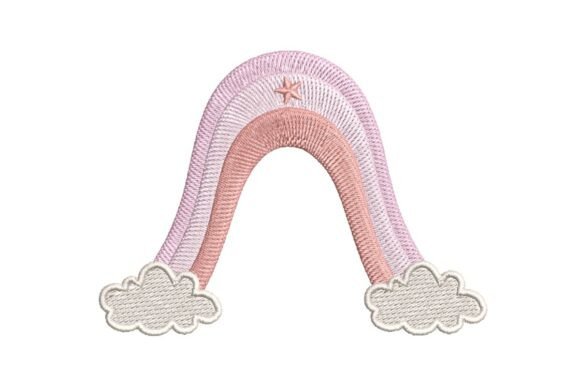
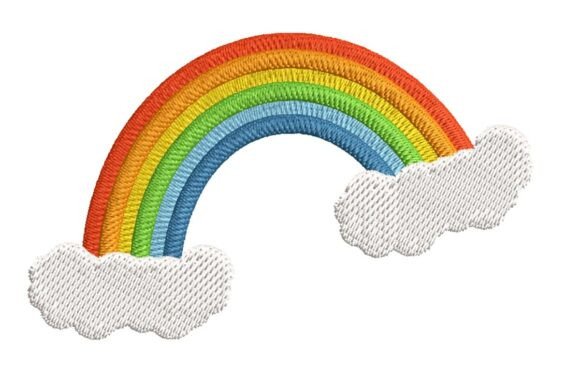
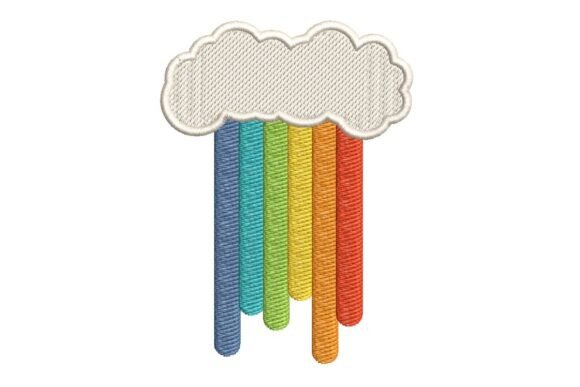
This embroidery design is immediately charming. The concept of a cloud raining colorful stripes speaks to joy and hope without needing a written explanation. For a craft fair booth, that instant readability is gold. Customers glancing at your table from a few feet away will grasp the theme. It feels soft, whimsical, and modern, with a touch of nursery sweetness that isn't overly childish. The balance of a textured white cloud with a light grey outline against bright rainbow stripes suggests it's decorative but not garish—a premium feel for a handmade product.
Where This Design Stands Out on the Sales Table
Your craft fair booth display is a curated story. Where does the Rainbow Rain Cloud Embroidery Design fit? Based on its mood, I see it shining on specific items.
- Tote Bags & Market Bags: This is a prime candidate. The design is bold enough to be a focal point on a bag side. It symbolizes positivity, making the bag feel like a hopeful, everyday accessory.
- Tea Towels & Aprons: In the kitchen, this cloud brings a cheerful pop. On a light-colored towel or apron, the rainbow stripes will look vibrant. It’s a functional item with an emotional lift.
- Pillow Covers: For a nursery or a cozy living space, this design transforms a simple pillow into a giftable handmade item. The scale here is key—it should be a larger, central motif.
- Embroidered Patches: A fantastic small-shop product. This patch can be applied to jackets, backpacks, or hats. Its message of inclusivity and hope has broad appeal.
- Small Pouches & Caps: On a curved cap surface, careful testing is needed for placement, but the joyful theme works for casual wear. On a fabric pouch, it becomes a delightful giftable detail.
I would avoid overly dense, dark fabrics where the light grey outline might get lost unless thread contrast is carefully tested. The design’s strength is its clear, colorful imagery.
Production & Selling Practicalities for the Maker
Turning a digital embroidery file into a profitable craft fair product requires a practical eye.
Scale & Clarity
This design seems versatile in scale. The rainbow stripes likely have good visual weight, meaning they could work as a smaller accent on a cap or a large feature on a pillow. However, always test at your intended final size. Tiny details, if any, like very thin stripe separations, might lose clarity when stitched very small. For batch production, a design that stitches cleanly at multiple hoop sizes is a huge advantage.
Photographing for Online & Etsy Listings
For your Etsy seller or small shop online presence, this design will photograph beautifully. The color contrast and simple, strong concept make for clear, attractive listing images. Creating a real mockup—not just a printable mockup—on a tea towel or tote is crucial to show the authentic handmade texture. The textured cloud and colorful stripes will showcase stitch density and quality.
Batch Production & Booth Impact
A design that feels repeatable is vital for stocking a booth. The Rainbow Rain Cloud Embroidery Design has a cohesive, balanced look. Producing a series of tote bags with this same motif creates a strong, consistent brand display on your table. It tells a customer, "This is my style." The joyful theme also encourages buyer engagement—people might share what the design means to them, which is a powerful selling moment.
Careful Designer Notes Before You Stitch
Before committing this to commercial embroidery for your craft fair products, a few professional steps are non-negotiable.
- Test on Scrap Fabric First: Use the exact fabric types you plan to sell—canvas for totes, linen for towels, etc. Check how the light grey outline reads on each.
- Review Thread Colors & Contrast: The description mentions colorful stripes. Ensure your chosen thread palette is vibrant and complementary. Does the white cloud pop against your base fabric?
- Inspect Stitch Density & Stabilizer Needs: Areas of the cloud might be textured, potentially dense. On lightweight fabrics or textured towels, the right stabilizer is key to prevent puckering and maintain that premium look.
- Confirm Hoop Size & Placement: Match your intended final product with a compatible hoop size. For curved surfaces like caps, placement is critical for visual balance.
- Compare Fabric Colors: Stitch the design on light, medium, and perhaps a dark background scrap to see where it performs best for your target market.
- Create at Least One Real Mockup: This is your ultimate proof. How does it look and feel as a finished product? This mockup can also become your star booth sample.
- Confirm Commercial Licensing: If this is a digital embroidery file you purchased, always verify the license terms before selling finished products. Ensure it permits commercial use at craft fairs and in your handmade shop.
These steps transform a charming design concept into a reliable, sellable craft fair product.
Final Judgment: A Strong Candidate for Joyful Sales
The Rainbow Rain Cloud Embroidery Design has the hallmarks of a successful craft fair item: instant emotional appeal, visual clarity, and versatility across popular product types. It elevates simple items like tea towels and tote bags into meaningful, giftable handmade products. For a nursery-themed category, its appeal is broader than just babies—it speaks to hope and inclusivity, themes that resonate widely.
As a professional embroidery designer, my advice is to test it thoroughly on your chosen applications, but I expect it to be a standout in your booth display. It will catch eyes, invite conversations, and stitch up into products that feel genuinely special. That’s the combination that makes a design not just good, but great, for the handmade market.