The Orchid Embroidery Design: A Craft Fair Seller's Review
First Impressions: Elegance That Commands Attention
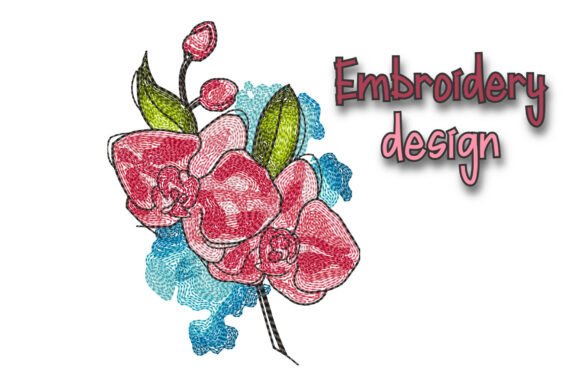
When I first looked at the Orchid Embroidery Design, the word "sophisticated" from its description immediately rang true. This isn't a cute, farmhouse, or rustic motif. It feels inherently elegant and premium. In a crowded craft fair booth, surrounded by more whimsical or bold patterns, this design has the potential to stand out as a piece of refined artistry. Its delicate, meticulous details suggest it’s meant for a customer looking for something special, not just decorative. For sellers targeting boutique buyers or those seeking a gift with a genuine handmade quality feel, this mood is perfect.
Product Performance: Where This Orchid Shines
My evaluation is always grounded in real products on my table. Let’s walk through how this machine embroidery design performs on typical craft fair items.
Tote Bags and Market Bags
This is a strong contender. The Orchid Embroidery Design, with its sophistication, elevates a simple canvas tote into a premium accessory. It works best as a large, focal design centered on the bag. The intricate details will be clearly visible, adding significant perceived value. For an Etsy seller, this photographs beautifully for online listings, as the detail captures well against a plain fabric background.
Aprons and Tea Towels
On aprons, placement is key. A single orchid on the chest or pocket can transform a functional item into a luxury kitchen staple. On textured tea towels, you must be cautious. The stitch density needs to be appropriate to prevent puckering on the terry cloth. A test on scrap fabric is essential. If it works, it creates a high-end, giftable handmade product.
Pillow Covers and Fabric Pouches
For home decor like pillow covers, this design brings an instant soft, modern elegance. It’s repeatable for batch production if you’re making a series of orchid-themed items. On small fabric pouches, it serves as a beautiful accent, though you must confirm the hoop size to ensure the design fits the available space without losing its intricate details.
Caps and Patches
This is where careful-use notes come into play. Embroidered patches using this file could be stunning, but the curved surfaces of caps present a challenge. Tiny details and dense stitch areas may not translate well on a curved cap surface and could lose clarity. I would prioritize flat products for this particular embroidery file.
Practical Production for Market Success
Turning a digital embroidery file into profitable craft fair products requires a practical eye.
Understanding at a Glance
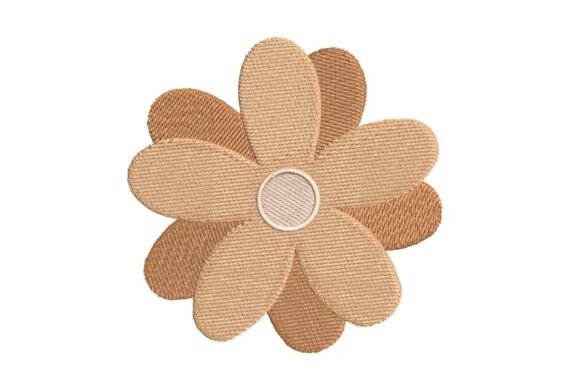
The Orchid Embroidery Design is easy to understand—it’s a beautiful, single flower. This clarity is a selling advantage. Customers recognize its beauty immediately, which speeds up buying decisions at a busy booth.
Scale: Accent or Focal Point?
This design is versatile. It can be a stunning large focal point on a tote bag or a smaller, elegant accent on a tea towel corner. However, be warned: shrinking it too much for a tiny accent might cause its meticulous details to blur or disappear, especially on dark fabric where thread contrast is critical.
The Batch Production Question
For sellers producing batches of items, this design is repeatable. The consistency across multiple tote bags or pillow covers would create strong brand consistency in your booth display. The key is managing the stitch count and time—dense stitch areas mean longer machine run times per item, affecting your production schedule.
The Designer's Checklist Before You Stitch
Before you run this file and start creating your handmade products, here is my essential checklist.
- Test on Scrap Fabric: Always embroider the Orchid Embroidery Design on a scrap of your actual product fabric (canvas for totes, linen for towels) to check for puckering and thread coverage.
- Check Thread Contrast: Review the design on both light and dark fabric samples. Elegant details need high contrast to remain visible.
- Review Spacing and Density: Inspect the stitch density in the design's intricate areas. High density on lightweight fabrics requires the correct stabilizer to prevent distortion.
- Confirm Hoop Size: Match the design size to your product. You need to know the required hoop size for your machine to plan your production.
- Create a Real Mockup: Before batch production, make at least one finished product—a real tote bag or pillow cover. This tells you how it looks in person, feels, and how customers might interact with it.
- Compare Fabric Colors: The orchid’s elegance will pop on certain colors. Test which fabric colors in your inventory make it stand out most.
- Confirm Commercial Licensing: The description mentions this is a digital design for seamless use. Before selling any finished product, verify the license terms to ensure commercial use is permitted.
Why This Design Boosts Your Booth Appeal
From a seller’s perspective, the Orchid Embroidery Design Machine file affects several key areas.
- Visual Appeal: It adds a layer of handmade quality that feels intentional and artistic, not mass-produced.
- Customer Attention: In a booth, a beautifully embroidered orchid on a neutral tote bag acts as a visual anchor, drawing buyers looking for something uniquely beautiful.
- Product Value: This design allows you to price items higher. The sophistication justifies a premium over simpler, more generic embroidery.
- Booth Display Strength: A cohesive line of products—totes, aprons, pillows—all featuring this elegant orchid creates a powerful, professional display that tells a story.
- Buyer Engagement: Customers often ask about the design itself. Its natural, single flowers theme is easy to talk about and connects emotionally, making it more than just a decoration.
Final Thoughts for the Creative Entrepreneur
The Orchid Embroidery Design is a standout file for sellers aiming for an elegant, premium market segment. Its strength lies on flat, prominent surfaces like tote bags, pillow covers, and aprons where its details can be fully appreciated. It photographs well for your Etsy listings and printable mockups. Practical production requires attention to fabric choice, stabilizer, and scale to maintain its clarity. By following the designer checklist, you can confidently transform this digital embroidery file into a line of commercial embroidery products that will capture attention and add real value to your craft fair table or small shop product line.